South
Independence & 12th
Street elevator at the northwest corner of the intersection. Shorter route to the Hirshhorn Museum and other museums on Independence Avenue. You never cross the Mall lawn.
Better for the Hirshhorn · Independence Avenue side
Planned for wheelchair riders
Plan this stop before you go: which elevator, which street exit, then how far you go on the National Mall with a wheelchair or stroller. Our live map shows elevator outages. This page shows the route.
Written for riders who need elevators.
Station D02
Two exits
Independence Avenue & the Mall
They come up in very different places for a wheelchair
Disability & mobility
Metro (the Washington Metropolitan Area Transit Authority, WMATA) lists this station as accessible. That holds only when the working elevator goes to the exit you need. The two exits come up in very different places for a wheelchair or stroller.
South
Street elevator at the northwest corner of the intersection. Shorter route to the Hirshhorn Museum and other museums on Independence Avenue. You never cross the Mall lawn.
Better for the Hirshhorn · Independence Avenue side
North
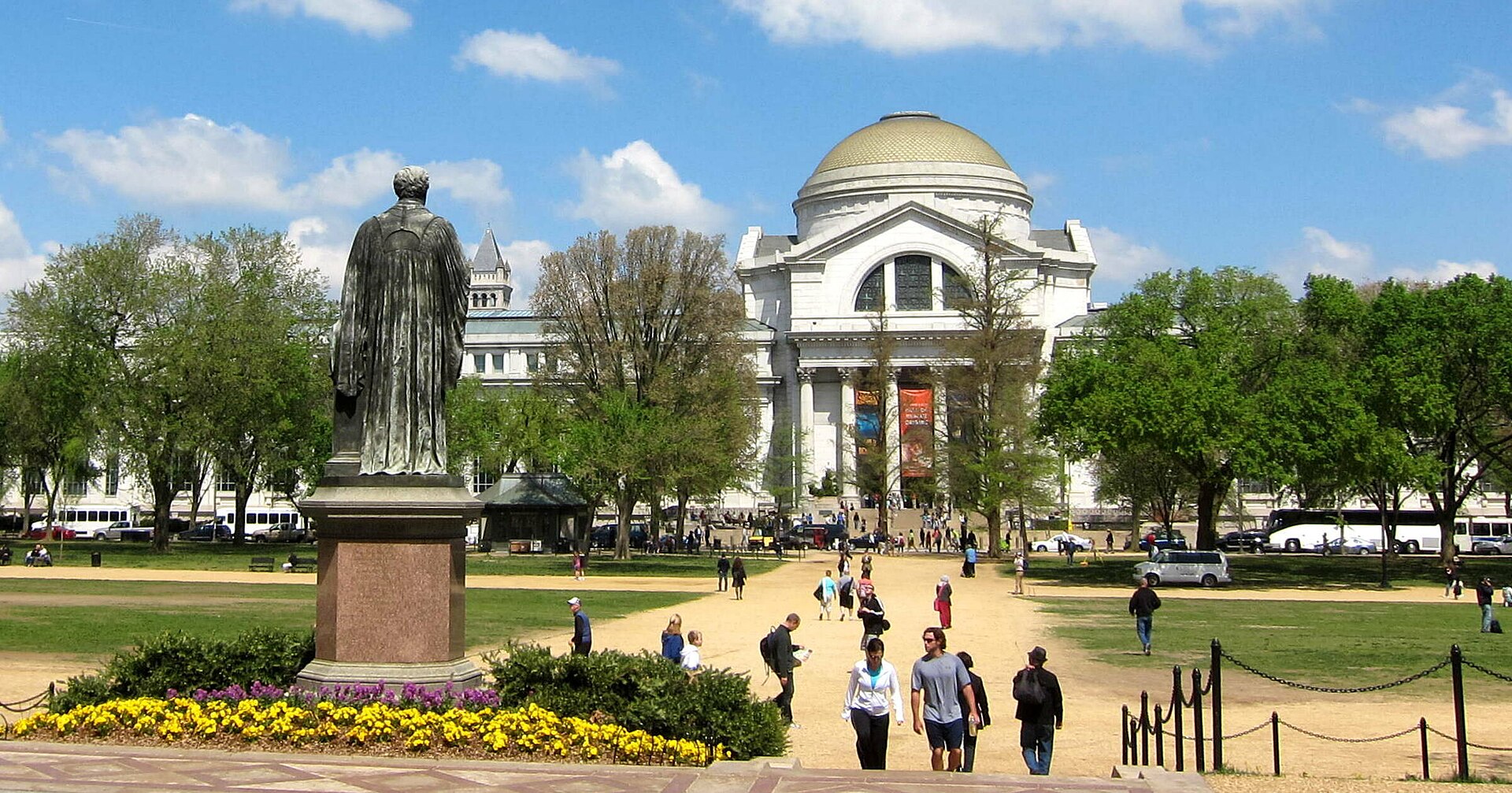
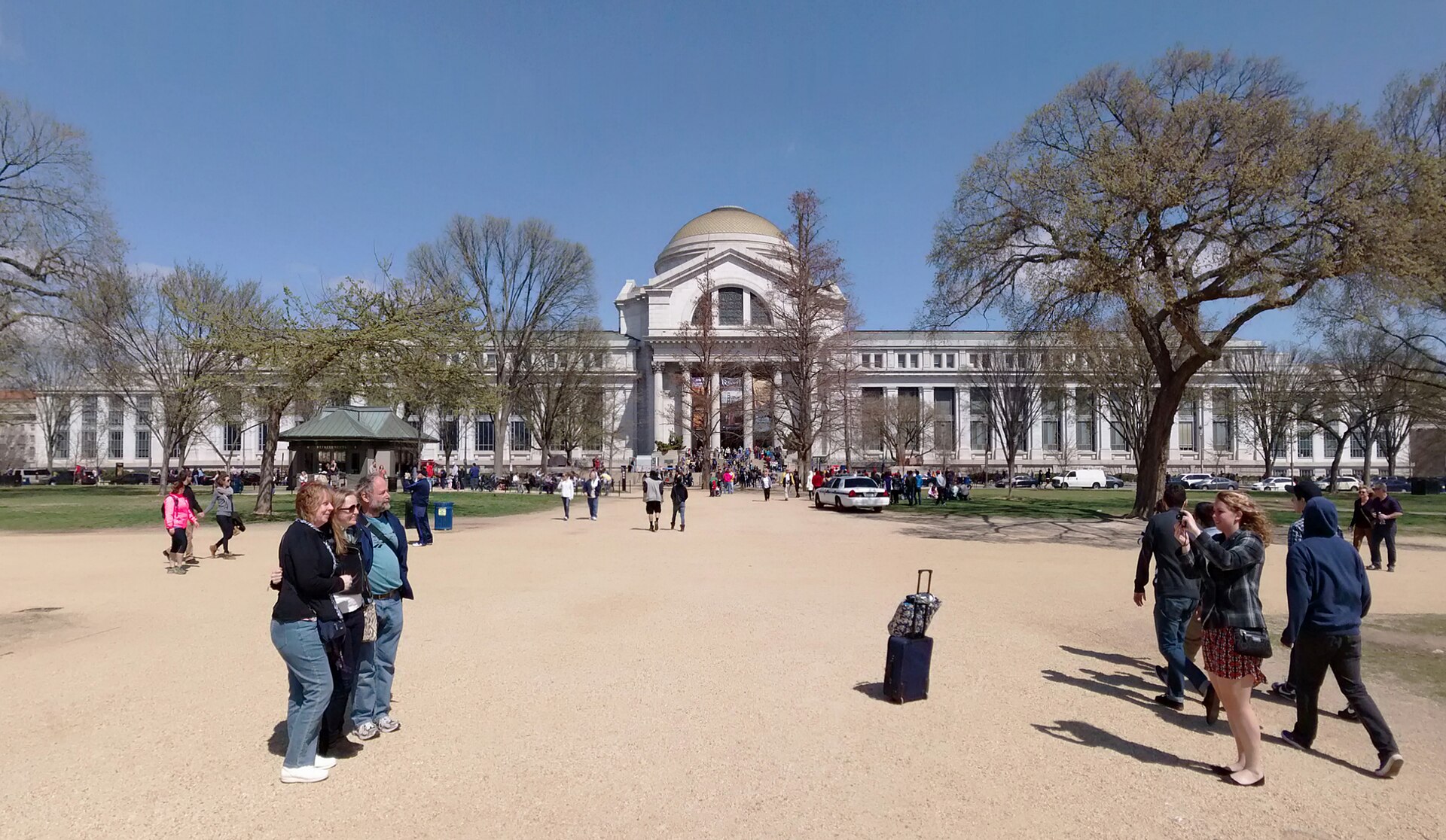
South edge of the Mall. The Natural History and American History museums are still a long way off after you leave the elevator, with heat, slopes, and tour crowds.
Better for museums on the Mall · then a trip outside
With only 2 elevators, one outage can cut your only step-free route between street and platform, or close one of these exits, for anyone who cannot use stairs. Escalators do not replace that.
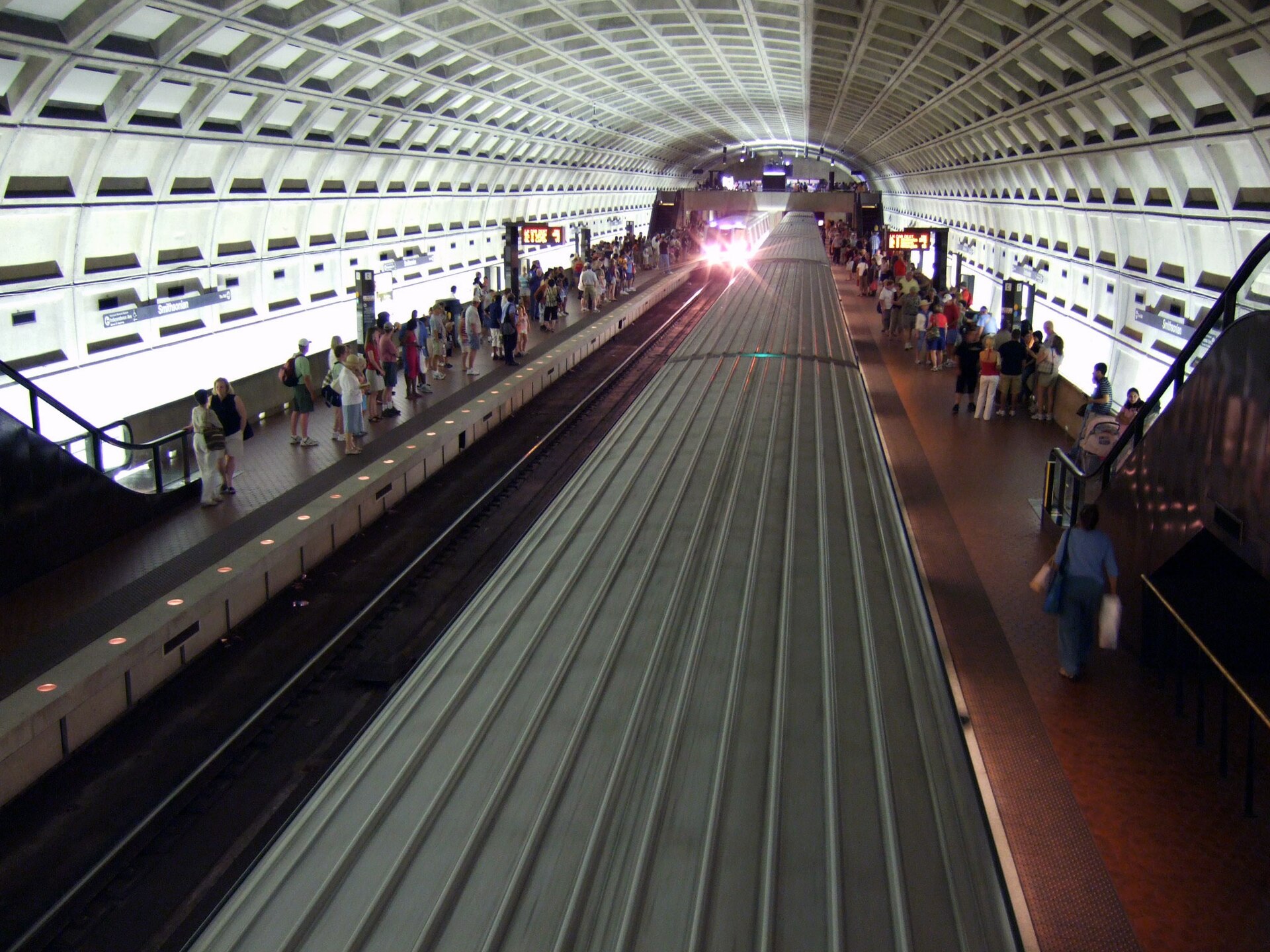
If elevators are out, check our live map first. Metro can arrange a shuttle when an elevator is out: 202-962-1825TTY (text telephone) 202-638-3780. Every station also has an extra-wide faregate. On the platform, tall signs with the wheelchair symbol point to the elevators.
On the ground
Three steps: the elevators, the exit, then the route outside.
01
This station has 2 elevators and 14 escalators. Metro (the Washington Metropolitan Area Transit Authority, WMATA) puts one elevator at the Independence Avenue entrance and one at the National Mall entrance. If one is out, the other may not reach the exit you need.
02
South exit: Independence Avenue and 12th Street, with a street elevator at the northwest corner. North exit: Jefferson Drive on the National Mall. It is one station, but the two exits come up in very different places for a wheelchair or stroller.
03
Even with both elevators working, the museums are across open lawn, often in the heat. The National Museum of Natural History’s own website sends visitors using its Constitution Avenue entrance to Federal Triangle station, not this Mall exit.
Why the exits feel like this
The Mall entrance was won after a public fight. But just 2 elevators still serve one of the busiest visitor areas in the country.
Early plans called the stop Independence Avenue — only the south entrance was funded. The National Park Service and the Smithsonian wanted a Mall entrance for tourists and to cut car traffic. Metro refused unless someone else paid the roughly $3 million. The Park Service went so far as to withhold a tunnel permit across the Mall. The White House ordered the permit granted and Metro to plan the Mall entrance.
That history is why the exits open onto parkland instead of a city street. It is also why one elevator outage here is more than a small delay: it can close an exit onto the National Mall.
On the street
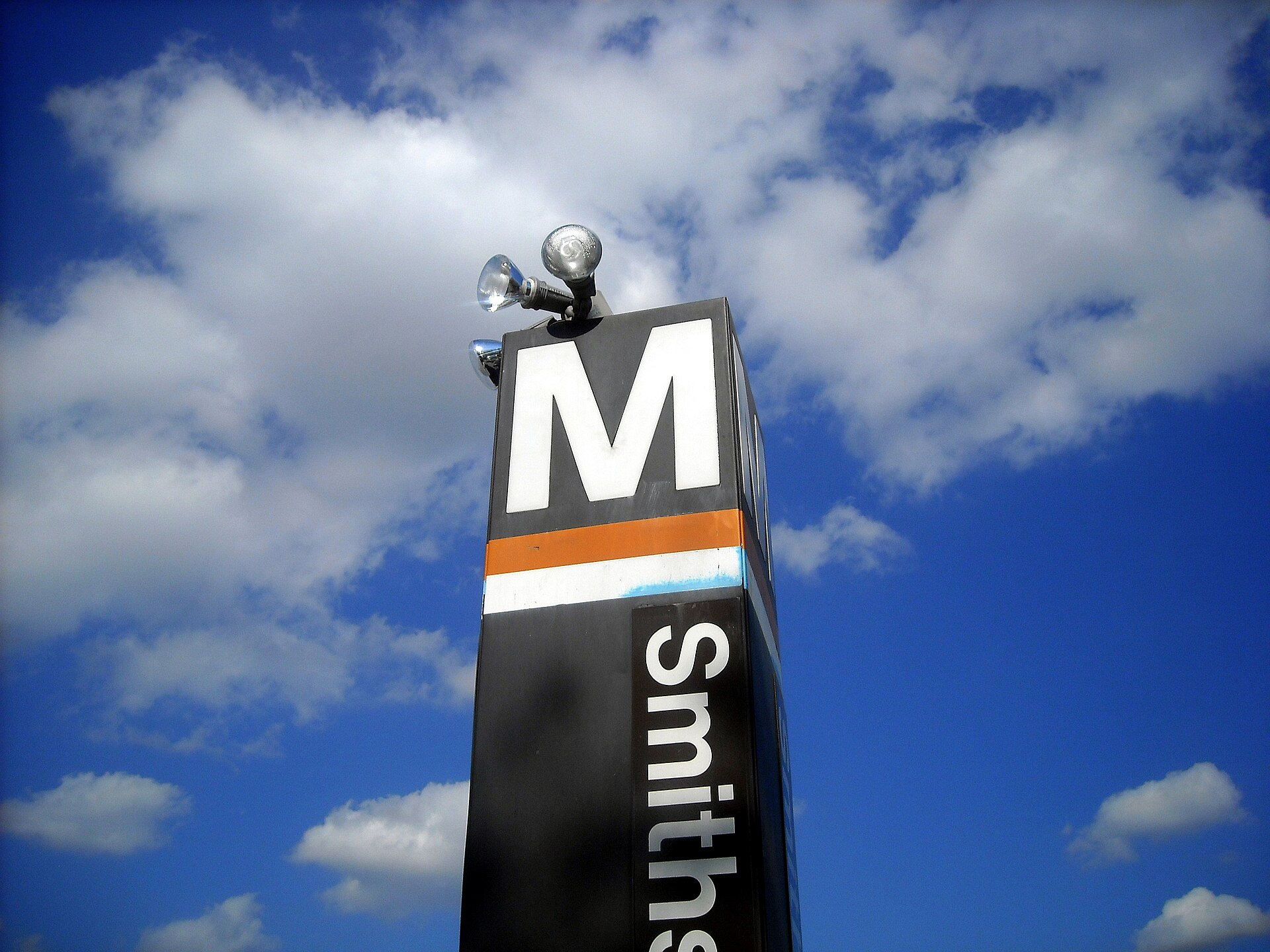
Smithsonian station
1200 Independence Ave SW · Mall entrance near Jefferson Drive
Washington, District of Columbia
Independence Avenue & 12th Street · Mall at Jefferson Drive
Blue · Orange · Silver lines
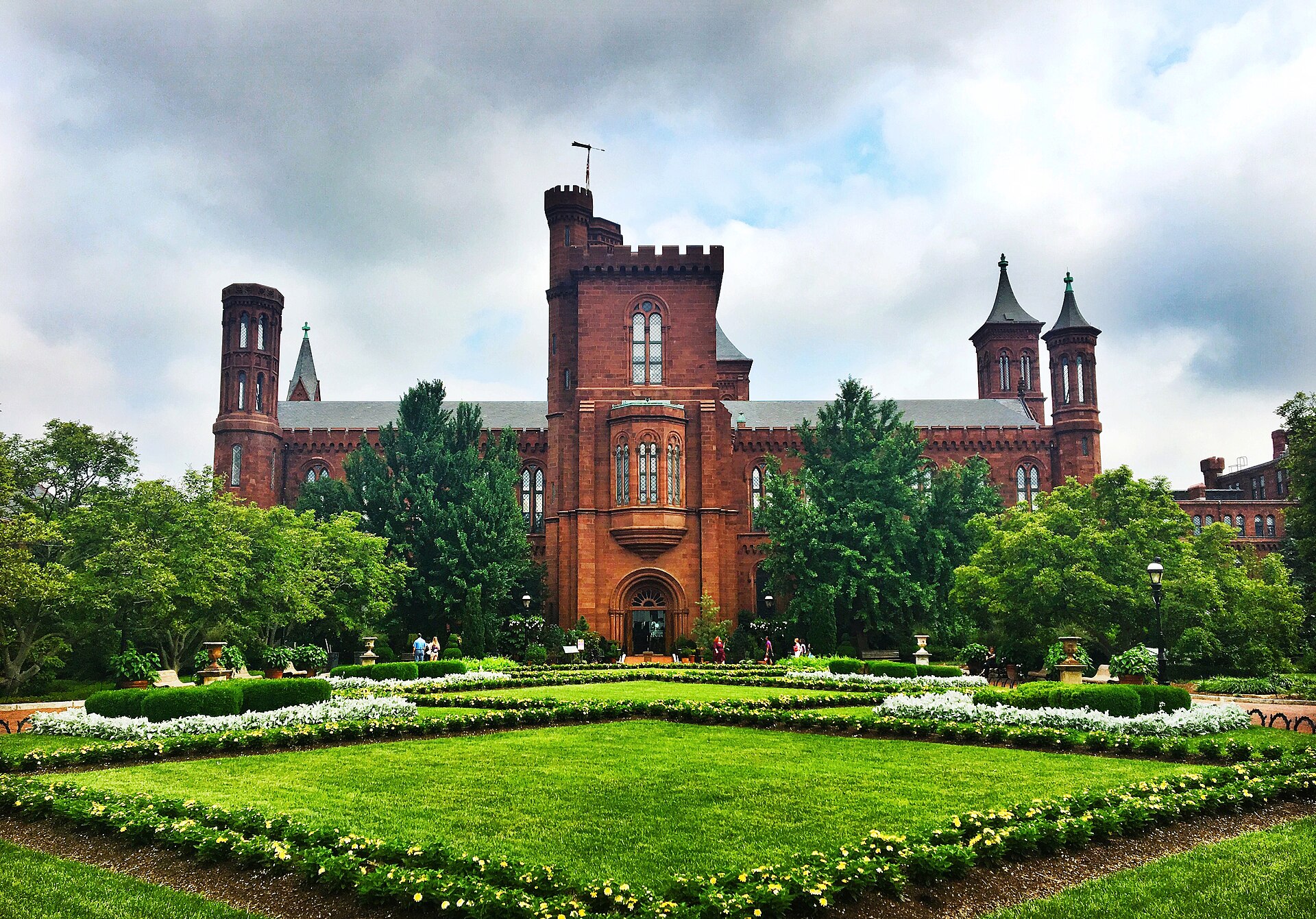
Nearby: the Natural History and American History museums, the Hirshhorn, the Freer and Sackler galleries, the Smithsonian Castle, and the Washington Monument grounds. If elevators here are out, try Archives or L'Enfant Plaza stations, which come up in different places.
Open Smithsonian on the live mapLive elevator status at SmithsonianAfter the elevator
Shortest first. We set these times by hand for wheelchair or stroller pace on the Mall. They are not live directions.
At the venue
We copied these by hand from each venue’s own pages. They may be out of date or wrong, so confirm on the venue’s page before you go.
Source: Hirshhorn Museum
Source: National Air and Space Museum
Source: National Museum of African American History and Culture
Accessibility page for National Museum of African American History and Culture
Source: National Park Service
Source: National Gallery of Art
Last look
Five things to check before you go.
See which of the 2 elevators are working now, and which entrance each one serves.
Decide on Independence Avenue or the Mall before you board.
For the Constitution Avenue entrance of the National Museum of Natural History, the museum itself suggests Federal Triangle station. The Smithsonian Mall exit is not always the shortest step-free route.
Summer heat, gravel paths, and crowds on the Mall are real barriers. Bring water and plan for shade.
Building access is on each museum’s own website. Metro elevator status is on our map. Check both.
About this guide. We put these guides together by hand. Travel times are our own estimates, and venue details are copied from their websites, so either can be wrong or out of date. Check the venue’s page before you go. For elevators, trust the live map and the transit agency.